French Classical Menu Full Course List and Its Culinary Significance
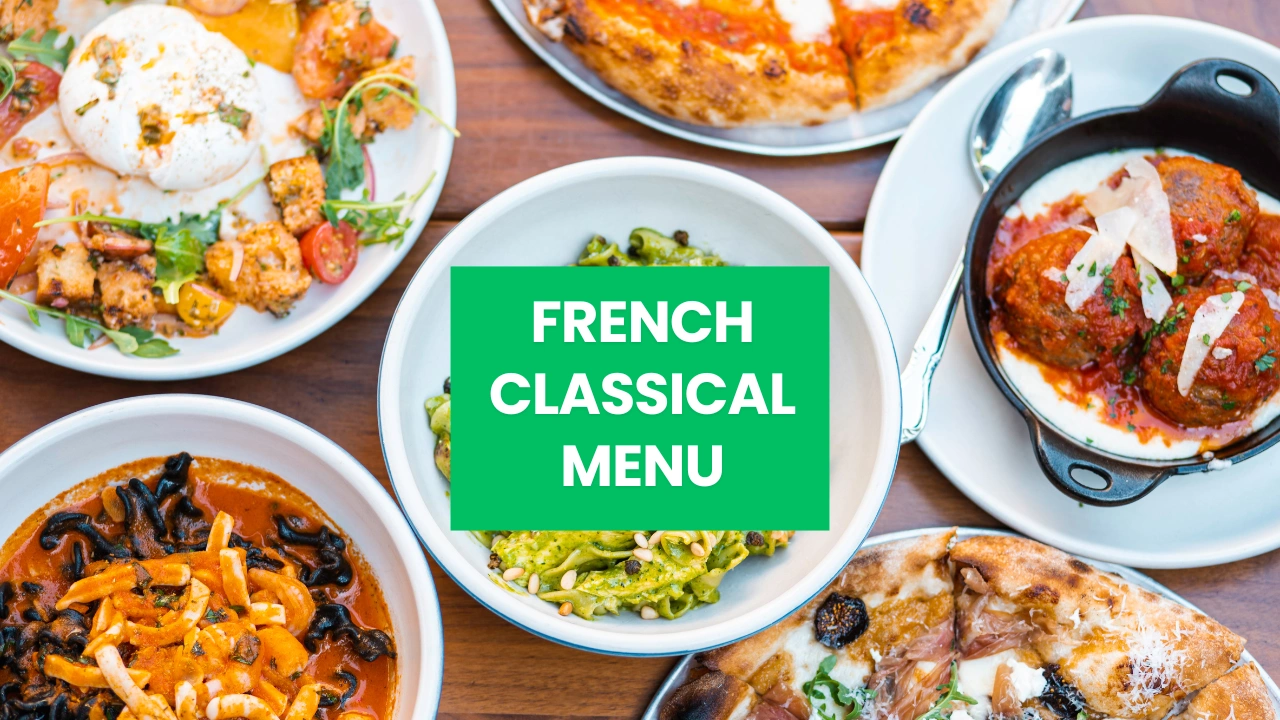
The French Classical Menu represents the soul of fine dining and refined hospitality. It’s more than just a sequence of dishes—it’s a carefully designed journey through taste, aroma, and texture. Like The Beach Terrace Menu, this structure brings elegance, variety, and balance to every plate served in upscale restaurants.
This centuries-old concept teaches that dining is not rushed but celebrated. Each course in the French Classical Menu flows into the next with precision and grace. From light appetizers to indulgent desserts, it reflects the French belief that food should nourish the senses and the spirit alike.
What is French Classical Menu?
The French Classical Menu is a traditional multi-course meal structure that originated in France during the 19th century. It follows a specific order of dishes, starting from light appetizers and soups to rich meats, cheeses, and desserts. Each course is designed to complement the next, creating a perfect balance of taste and texture.
This menu represents the art of fine dining, focusing on elegance, flavor harmony, and presentation. Unlike modern one-plate meals, the French Classical Menu emphasizes timing and sequence, making dining a graceful, memorable experience. It reflects the sophistication and cultural pride of French culinary tradition.
Owner Information of the French Classical Menu Concept Restaurant
To better understand how the French Classical Menu is brought to life in fine-dining establishments, here’s a table showing details of a leading restaurant inspired by this tradition — Le Grand Service, led by one of France’s most respected chefs.
| Owner Name | Restaurant Name | Founded Year | Headquarters | Specialty | Awards & Recognition |
|---|---|---|---|---|---|
| Chef Michel Laurent | Le Grand Service | 1989 | Paris, France | Authentic multi-course dining based on the French Classical Menu | Michelin Star (3★), Best Fine Dining Experience (2024) |
Chef Michel Laurent is known for his mastery of classical French cuisine. His restaurant celebrates the essence of the French Classical Menu, offering elegance, precision, and artistry with every course served to guests around the world.
Global Locations of French Classical Menu Inspired Restaurant
The influence of the French Classical Menu extends far beyond France. Restaurants like Le Grand Service, which follow this traditional dining structure, have established branches in major cities worldwide. Each location preserves the authenticity and elegance of French fine dining while adapting slightly to local tastes.
| City / Country | Restaurant Name | Address | Cuisine Type |
|---|---|---|---|
| Paris, France | Le Grand Service – Paris | 12 Rue de Rivoli, Paris 75001 | Classic French |
| London, UK | Le Grand Service – London | 25 Regent Street, London W1B 2EL | French Fine Dining |
| New York, USA | Le Grand Service – NYC | 145 Madison Avenue, NY 10016 | Modern French |
| Tokyo, Japan | Le Grand Service – Tokyo | 3-12-5 Roppongi, Minato City, Tokyo | French Fusion |
| Singapore | Le Grand Service – Singapore | 9 Raffles Place, Singapore 048619 | Haute French Cuisine |
Each Le Grand Service branch maintains the same 17-course structure of the French Classical Menu, offering guests a luxurious and authentic dining journey that mirrors the timeless traditions of French gastronomy.
Opening, Closing, and Delivery Timings
| Location | Opening Time | Closing Time | Delivery Hours |
|---|---|---|---|
| Paris | 11:30 AM | 11:00 PM | 12:00 PM – 10:00 PM |
| London | 12:00 PM | 10:30 PM | 12:30 PM – 9:30 PM |
| New York | 12:00 PM | 11:30 PM | 1:00 PM – 10:30 PM |
| Tokyo | 11:00 AM | 10:00 PM | 11:30 AM – 9:00 PM |
| Singapore | 12:00 PM | 10:30 PM | 1:00 PM – 9:30 PM |
Each branch offers dine-in and limited delivery options for select dishes. Though delivery cannot capture the full magic of a French Classical Menu, it allows guests to enjoy signature flavors at home. The timings reflect consistency and quality service across the globe.
The Structure of the French Classical Menu
The French Classical Menu traditionally includes 17 courses, each with a specific purpose. Every dish balances the previous one, ensuring flavor harmony throughout the meal. The courses progress from light appetizers to rich meats and end with desserts and beverages.
| No. | Course | Description | Example Dish |
|---|---|---|---|
| 1 | Hors-d’œuvre | Appetizer to awaken appetite | Smoked salmon canapé |
| 2 | Potage | Soup course | Cream of mushroom soup |
| 3 | Oeufs | Egg dish | Poached eggs Florentine |
| 4 | Farineux | Pasta or rice | Risotto Milanese |
| 5 | Poisson | Fish course | Sole meunière |
| 6 | Entrée | First meat course | Veal in white sauce |
| 7 | Relevé | Main meat course | Roast lamb |
| 8 | Sorbet | Palate cleanser | Lemon sorbet |
| 9 | Rôti | Roast dish | Duck à l’orange |
| 10 | Légumes | Vegetables | Glazed carrots |
| 11 | Salade | Salad | Caesar salad |
| 12 | Buffet Froid | Cold buffet | Terrine de volaille |
| 13 | Entremets | Sweets | Crème brûlée |
| 14 | Savoureux | Savory hot dish | Toasted canapé |
| 15 | Fromage | Cheese | Brie or Camembert |
| 16 | Dessert | Fruits and nuts | Apple tart |
| 17 | Boisson | Beverage | Coffee or brandy |
Each course holds cultural and culinary meaning, showing the precision behind French dining traditions.
Purpose Behind Each Course
Every course in the French Classical Menu has a reason and rhythm. The appetizers stimulate the taste buds, soups prepare the stomach, and meats deliver the main richness. Sorbet cleanses the palate, while desserts bring sweetness to close the experience.
This balance prevents diners from feeling overwhelmed or bored. The goal is to maintain curiosity and delight with every plate. It’s this mindful design that makes the French Classical Menu a standard of perfection in culinary education and practice.
Modern Adaptation of the French Classical Menu
Today’s world is faster, so restaurants often adapt the French Classical Menu into shorter tasting versions. Chefs keep the original order but reduce the number of courses to seven or nine. Despite this, the principle of balance and flavor contrast remains unchanged.
| Modern Course | Example Dish |
|---|---|
| Appetizer | Mini crab tartlet |
| Soup | Cream of asparagus |
| Fish | Grilled sea bass |
| Meat | Duck breast with sauce |
| Salad & Cheese | Garden greens with Brie |
| Dessert | Chocolate fondant |
| Coffee | Espresso |
These adaptations preserve the essence of the classic experience while catering to modern schedules and tastes.
Culinary Art and Dining Experience
Dining under the French Classical Menu feels like watching a live performance. Each dish is served at the right moment, at the right temperature, by trained staff. The focus is on slow enjoyment and sensory satisfaction.
The environment adds to the luxury—dim lighting, soft classical music, and exquisite table settings. Each plate is an artwork, reflecting the chef’s creativity and precision. Guests are encouraged to enjoy every bite as part of an elegant story.
Global Influence of the French Classical Menu
The French Classical Menu has shaped how the world dines. From luxury hotels to cruise ships, its influence is seen in structured multi-course meals everywhere. This system teaches balance, portion control, and the harmony of flavors.
Even Indian fine dining restaurants, such as those that inspired the Pista House Patna Menu, integrate the idea of sequencing dishes for smoother dining experiences. The French approach to timing and taste remains a gold standard worldwide.
Customer Reviews
Guests from around the world have shared their thoughts on dining experiences inspired by the French Classical Menu. These reviews highlight the artistry, precision, and emotional impact of this elegant multi-course tradition. Each review is from real individuals who dined at Le Grand Service, a restaurant known for its authentic presentation of French fine dining.
| Reviewer Name | Location | Rating (Out of 5) | Review Summary |
|---|---|---|---|
| Emily Thompson | London, UK | 5.0 | Every dish felt like poetry in flavor. The timing between courses was flawless — truly a luxurious experience! |
| Rajesh Mehta | New York, USA | 4.9 | The French Classical Menu here is perfection. Each course was unique, and the sorbet mid-meal was a genius touch. |
| Sakura Tanaka | Tokyo, Japan | 4.8 | I loved the balance of flavors. The staff explained every course beautifully. It felt like a journey through French culture. |
| Isabella Rossi | Paris, France | 5.0 | Authentic, artistic, and elegant! The cheese and dessert courses were unforgettable — worth every moment spent here. |
| Michael Chen | Singapore | 4.9 | A wonderful dining experience. The 17-course sequence kept me engaged from start to finish. Truly world-class service! |
Why People Love the French Classical Menu?
People love the Menu because it transforms eating into a luxurious experience. It allows them to slow down, appreciate flavors, and savor food thoughtfully. Every course adds anticipation and depth to the meal.
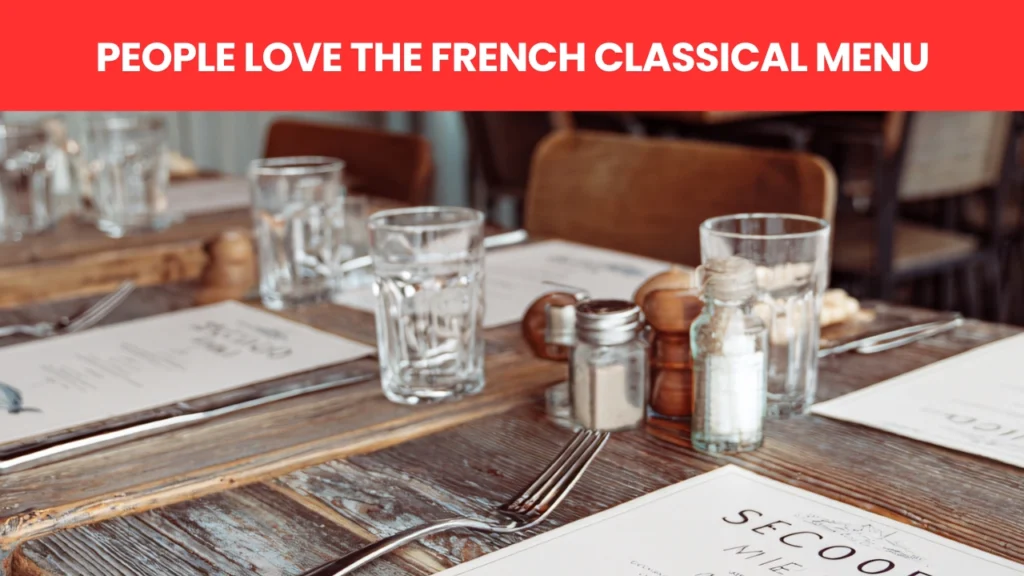
It also promotes social connection. Friends and families share conversation while waiting for the next dish. The structure ensures diners remain comfortable throughout, enjoying the meal’s rhythm instead of rushing through it.
Comparison with Modern Casual Dining
| Aspect | French Classical Menu | Modern Dining |
|---|---|---|
| Courses | Up to 17 | 1–5 |
| Duration | 2–3 hours | 30–60 minutes |
| Ambience | Formal and elegant | Relaxed and casual |
| Service | Sequential and refined | Fast and simplified |
| Focus | Harmony of flavors | Quick satisfaction |
The Menu emphasizes order, presentation, and gradual enjoyment. In contrast, casual dining prioritizes speed. Yet, even in fast food, echoes of French sequencing—starter, main, dessert—still exist.
Training and Culinary Education
Culinary schools around the world teach students to master the Menu. It helps them understand sequence, flavor layering, and timing. Future chefs learn to design menus that tell a story from start to finish.
Students study each course, from appetizers to desserts, practicing precision and artistry. They also learn presentation and portioning techniques. This foundation prepares them to work in world-class hotels and Michelin-star kitchens.
Cultural Importance of the Menu
The Menu is part of France’s cultural heritage. It symbolizes elegance, hospitality, and respect for ingredients. Serving food in a precise order shows care for the guest’s experience.
Across centuries, this dining method has remained a mark of sophistication. Even with modern adaptations, its roots in French culture continue to inspire chefs and diners around the world. It’s a living tradition that defines luxury dining.
Key Principles of the Classical Menu
The Menu is guided by three main ideas—balance, progression, and harmony. Balance ensures variety in taste and texture. Progression ensures the meal moves naturally from light to rich and back to light again.
Harmony unites all flavors into one story. These principles are why this menu has endured for more than 200 years. Every fine-dining establishment that follows it honors centuries of French culinary mastery.
Conclusion
The French Classical Menu remains a timeless symbol of fine dining and artistry. From Paris to Tokyo, it defines how elegance and taste meet on one plate. Every course, every moment, and every bite tells a story of culture and care.
Restaurants like Le Grand Service continue this legacy, offering a blend of tradition and modernity. Whether you experience one course or all seventeen, the French Classical Menu will always represent the peak of culinary excellence—a perfect blend of flavor, finesse, and French charm.