What Makes Authentic Indian Restaurant Food Different: Inside the Tandoor Oven Tradition
If you’ve ever wondered why Indian restaurant food tastes nothing like what you make at home — even when you’re following the exact same recipe — the answer is usually sitting in the back of the kitchen, fired up to temperatures your oven at home will never touch.
Authentic Indian restaurant food has a quality that’s hard to put into words but instantly recognizable once you’ve had it. The chicken comes out with a dry, caramelized exterior that somehow still gives way to moisture inside. The naan arrives blistered, carrying a faint smokiness no home kitchen can produce. The seekh kebab forms a crust on the outside while staying tender all the way through. None of this comes down to better spices or a longer marinade. It’s the result of one piece of equipment most diners never even think to ask about.
That equipment is the tandoor — a cylindrical clay oven that’s been central to cooking across South Asia, the Middle East, and Central Asia for at least five thousand years. Step into any serious Indian restaurant and the tandoor is running from the second the kitchen opens. It’s not an accessory. It’s not there for show. It’s the whole reason the food tastes the way it does.
Also Read: Hotel Shauryawada Menu Best Dishes to Try in Pune This Year
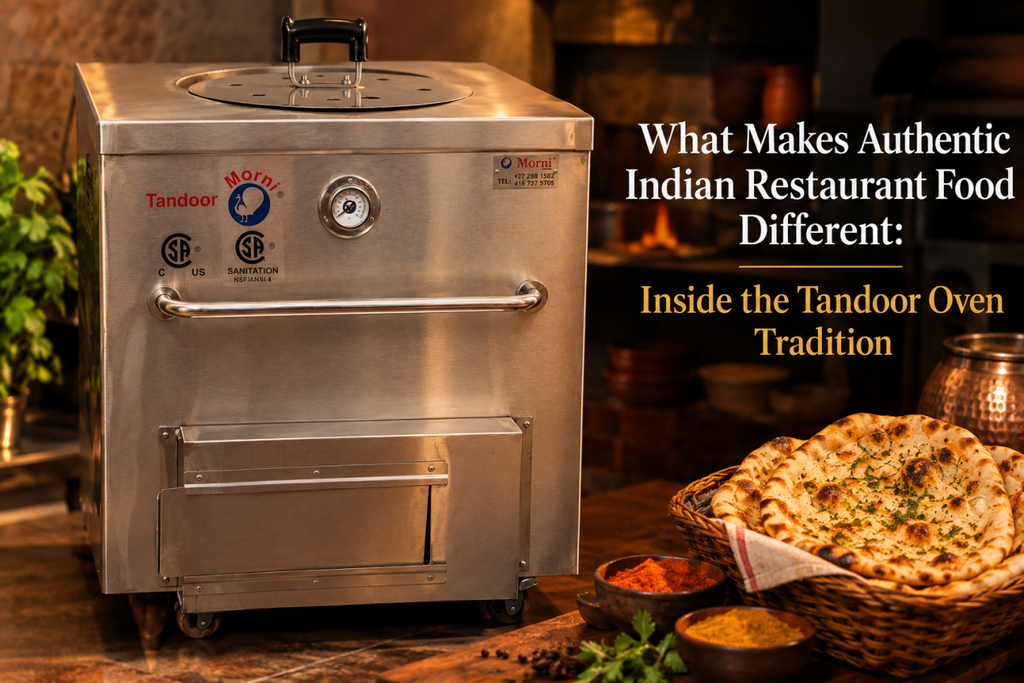
The Physics of Clay Heat
A regular oven cooks through convection — hot air circulates and slowly transfers heat to the food’s surface. A gas grill works through a mix of radiation and convection from below. Either way, food ends up cooked from the outside in, and a home oven usually maxes out around 500°F.
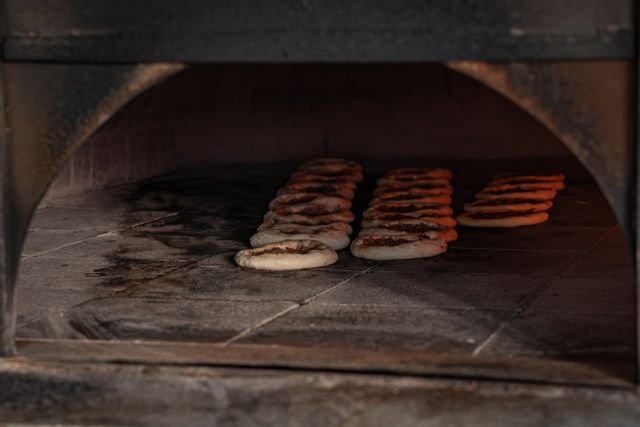
A tandoor works on a completely different principle. The clay chamber gets fired up to somewhere between 800 and 900°F. That heat soaks into the clay walls, which then radiate it back at the food from every direction at once. Food in a tandoor isn’t just sitting in hot air — it’s surrounded by a surface actively throwing intense heat at it from all sides. There’s really nothing else like it.
For bread, that means direct contact cooking at extreme heat. Naan dough gets slapped straight onto the inner wall of the tandoor and cooks through in under two minutes. The surface blisters from that clay contact, the inside stays soft, and the whole thing picks up a faint smoky note that a pizza stone, a griddle, or even your oven cranked to its highest setting simply can’t reproduce.
For meat, the tandoor sets up vertical dry-heat cooking. Skewers hang inside the chamber so the fat renders and drips away instead of pooling back into the meat. That’s where tandoori chicken gets its signature look — a deeply colored, slightly dry exterior wrapped around meat that’s still moist inside — because the fat has nowhere else to go. It really is a different product from chicken marinated the same way and cooked any other method.
To understand why the exterior behaves the way it does, it helps to know a bit about the Maillard reaction. When the proteins and sugars in a yogurt-based marinade hit clay at 900 degrees, the browning reaction responsible for all that flavor happens in seconds instead of minutes. The spices char and deepen almost instantly. The exterior seals fast enough that the inside holds onto moisture it would otherwise lose slowly in a regular oven. None of this comes down to a chef’s skill or a precise recipe — it’s purely about temperature. The Maillard reaction that gives tandoori food its char just doesn’t finish at home-oven temperatures. What comes out is, chemically speaking, a different dish entirely.
What Goes Into an Authentic Indian Menu
Once you understand the tandoor, it’s easier to see why authentic Indian menus are built the way they are. The tandoor section — tikka, tandoori, seekh, boti — isn’t just another category on the menu. It’s a signal that the kitchen has invested real money in the right equipment, and real time in learning to use it.
Seekh kebab: minced lamb or chicken mixed with spices, pressed onto flat skewers, and cooked in the tandoor until the outside caramelizes while the inside stays juicy. The intense heat isn’t optional here — the minced meat would fall apart in a regular oven before it ever developed the right crust.
Tikka: cubed boneless chicken or paneer marinated in yogurt and spices, threaded onto skewers. The marinade needs that blast of heat to set almost instantly, forming a protective coating that locks in moisture while the outside chars. It only works at tandoor temperatures.
Naan and roti: the breads that really define the meal. Naan comes out leavened, soft, and blistered. Tandoori roti is drier, chewier, with a heavier char. Neither one can be properly replicated at home, simply because the equipment for it doesn’t exist in a typical kitchen.
Kitchens running these dishes the right way are usually equipped with certified Commercial Tandoori Ovens that meet North American standards — NSF/ANSI 4 in the US and CSA Z83.11 in Canada. For restaurant operators, this isn’t a small technical footnote. Certified equipment is what actually gets a commercial kitchen its permit in the first place. A restaurant that’s invested in a certified tandoor has made a real, deliberate commitment to doing things the right way.
That certification question matters for diners too, even if it’s a bit indirect. A restaurant that’s put money into a certified commercial tandoor — a process that involves independent lab testing and a meaningful capital outlay — has made a documented commitment to authentic cooking. The certification exists in the first place because this is a gas appliance running at extreme temperatures in a commercial kitchen. Restaurants that meet that bar are operating on a different level than places serving “tandoor” dishes out of a regular oven. Honestly, the food usually tells you this before the menu does, if you know what to look for.
Why It Tastes Nothing Like Home
Home cooks trying to recreate Indian restaurant food tend to hit the same wall every time. The chicken won’t char the same way. The naan never blisters. The seekh either falls apart or dries out. Even the spices taste a little different, despite being identical to the restaurant’s recipe.
That’s not a technique problem or an ingredient problem. It’s a temperature problem. The reactions that create genuine tandoori char — the Maillard reaction, the marinade setting almost instantly, the yogurt proteins caramelizing — only happen at the temperatures a tandoor reaches. A broiler running at 500°F is operating at barely half the heat a tandoor puts out. What comes out the other end is a fundamentally different dish.
Some restaurants market themselves as “tandoor” spots while quietly running conventional ovens in the back. The tell is right there on the plate, if you know what to look for: naan without real blistering, chicken that looks moist rather than carrying that slightly dry, deeply colored exterior, seekh kebab that falls apart the second you touch it. Those are the signs of a kitchen with the right menu and the wrong equipment.
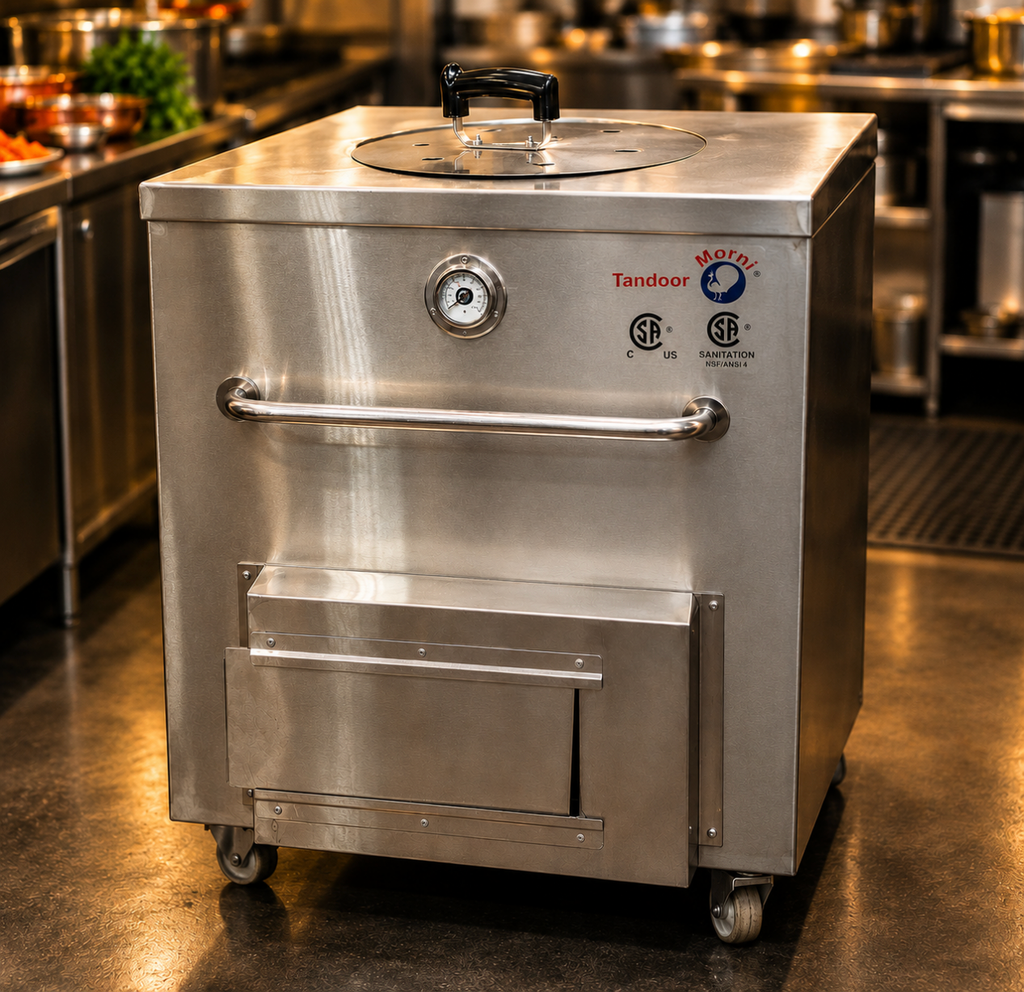
The Tradition Behind the Technique
The tandoor oven is one of the oldest cooking technologies still in continuous use anywhere in the world. Archaeologists have traced clay cooking vessels back to the Indus Valley civilization around 3000 BCE. The Mughal courts later refined tandoor cooking into the elaborate cuisine that still shapes North Indian restaurant menus today. The same physics that cooked food in ancient clay kilns is cooking food in Indian restaurant kitchens across North America right now.
When you sit down at a genuine Indian restaurant and the naan arrives with that particular char, or the tikka has that specific exterior, you’re eating food produced by one of the very few cooking technologies that’s stayed essentially unchanged for five thousand years. The spice blends have evolved. The plating has been updated for modern dining rooms. The oven hasn’t changed, because it never needed to.
For restaurants that take this seriously, the Tandoor Oven isn’t a feature they slap on the menu for marketing — it’s the foundation everything else is built on top of. The menus that reflect this tradition most faithfully tend to be the ones where nearly every main course has passed through clay at 900 degrees at some point. That’s really what authentic Indian restaurant food comes down to.
The Mughal contribution here deserves more than a passing mention. The court chefs who developed the marination systems — the yogurt-based coatings, the spice blends designed to work their way into meat over hours — did so specifically because they understood the tandoor’s radiant heat needed a marinade built to match it. Centuries of trial and error taught them that the recipe and the oven weren’t separate things — they were one system. You couldn’t pull the recipe out and expect the same result from different equipment. Modern Indian restaurant cooking still carries that system forward, mostly intact.
For anyone scrolling a menu site trying to pick where to eat, the tandoor section is actually a pretty reliable quality filter. A restaurant running four or five tandoor items — tikka, seekh, naan, tandoori chicken, boti — with a kitchen serious enough to run the equipment those dishes require, is a restaurant that’s made real decisions about how it wants to cook. That section usually isn’t the most profitable part of the menu, either. The equipment is expensive, and it takes real time to learn to run it well. Restaurants that commit to it do so because the food demands it — and that says something meaningful about everything else coming out of that kitchen too.