Exploring Regional Seafood Traditions in Indian Home Cooking
Indian cuisine is celebrated for its diversity, rich flavors, and deep connection to regional ingredients. While spices often receive much of the attention, the ingredients themselves play an equally important role in shaping traditional dishes. Understanding how different ingredients contribute to flavor, texture, and nutrition can help home cooks create healthier and more authentic meals inspired by regional cooking traditions.
Also Read: Behind the Scenes of a Leader’s Rise in Indian Politics
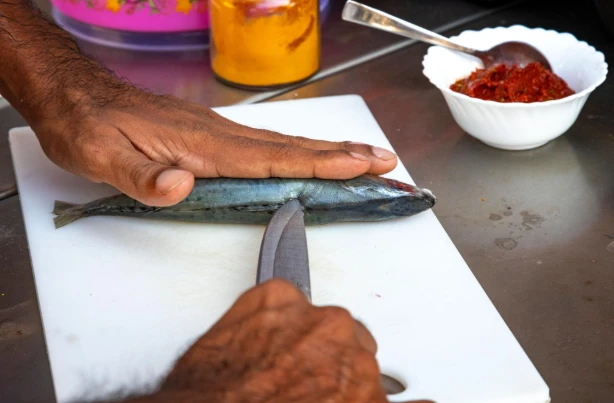
Across India, coastal communities have developed unique culinary practices based on the seafood available in their local waters. These traditions reflect generations of knowledge about ingredient selection, preparation methods, and flavor combinations. Learning from these regional approaches can provide valuable insights for anyone interested in improving their cooking skills at home.
Healthy cooking often begins with ingredient awareness. When cooks understand the characteristics of specific foods, they can choose preparation methods that preserve flavor while supporting nutritional goals. This knowledge encourages confidence in the kitchen and helps create meals that are both satisfying and balanced.
For those interested in expanding their understanding of coastal ingredients, an overview of crab varieties can provide useful insight into how different options may be used in various regional recipes. Differences in texture, sweetness, shell structure, and meat yield often influence cooking techniques and flavor pairings. Exploring these distinctions encourages a deeper appreciation for ingredient selection while helping home cooks make informed choices when preparing seafood-based meals.
The Importance of Regional Ingredients
One of the defining characteristics of Indian cooking is its strong connection to local ingredients. Dishes often evolve based on what is available in nearby markets, rivers, and coastal regions. This relationship between geography and cuisine creates remarkable diversity across the country.
Regional ingredients contribute more than flavor alone. They often influence cooking methods, spice combinations, and serving traditions. Understanding these connections helps cooks appreciate why certain dishes developed in specific areas and how ingredients shape culinary identity.
Ingredient awareness also promotes flexibility. Home cooks who understand the role of key ingredients are often better equipped to adapt recipes while preserving their essential characteristics. This adaptability supports both creativity and practical meal planning.
Balancing Nutrition and Tradition
Traditional Indian cooking offers many examples of balanced meal preparation. Meals frequently combine proteins, vegetables, herbs, spices, and grains in ways that provide both flavor and nutritional variety. Seafood plays an important role in many coastal regions because it offers high-quality protein while complementing traditional spice blends.
Healthy cooking does not require abandoning traditional recipes. Instead, it often involves understanding ingredients and preparation techniques more thoroughly. Small adjustments to cooking methods can help preserve nutrients while maintaining familiar flavors and textures.
This balance between tradition and nutrition is one reason regional cuisines remain relevant today. They demonstrate how wholesome ingredients can be transformed into satisfying meals through thoughtful preparation.
Learning Through Ingredient Exploration
Exploring unfamiliar ingredients is one of the most effective ways to expand culinary knowledge. Each ingredient offers unique characteristics that influence flavor, texture, and cooking behavior. Becoming familiar with these differences helps home cooks make more informed decisions in the kitchen.
Ingredient exploration also encourages curiosity. Visiting local markets, speaking with vendors, and trying new recipes can reveal valuable insights about regional cooking traditions. These experiences often lead to greater confidence and a broader understanding of food preparation.
As cooks gain experience, they become more comfortable adapting recipes and experimenting with different flavor combinations. This flexibility contributes to long-term growth and enjoyment in the kitchen.
The Role of Spices in Coastal Cooking
Spices are central to many Indian seafood dishes. Their purpose extends beyond heat or intensity. Different spice combinations can enhance sweetness, balance richness, and create complexity within a dish. Understanding how spices interact with seafood ingredients is an important part of developing cooking skills.
Fresh herbs, aromatics, and citrus elements often play supporting roles as well. Together, these ingredients create layered flavors that define many regional specialties. Home cooks who understand these relationships can build more balanced and satisfying meals.
Careful seasoning also allows natural ingredient qualities to remain noticeable. Rather than overwhelming the primary ingredient, spices can highlight its unique characteristics and improve the overall dining experience.
Applying Regional Lessons at Home
The knowledge gained from studying crab varieties extends beyond a single ingredient category. Understanding how regional cooks evaluate texture, flavor, preparation requirements, and ingredient quality provides lessons that apply throughout the kitchen. These principles can guide decisions involving fish, vegetables, legumes, poultry, and countless other ingredients commonly used in Indian cooking. As home cooks become more familiar with ingredient characteristics, they gain greater confidence in selecting appropriate cooking methods and flavor combinations. This broader awareness encourages creativity while supporting consistency in meal preparation. Over time, ingredient knowledge becomes a practical tool that helps transform everyday cooking into a more thoughtful and rewarding experience while preserving the spirit of traditional regional cuisine.
Encouraging Sustainable Cooking Habits
Developing strong cooking habits often begins with a willingness to learn. Understanding ingredients, preparation methods, and regional traditions helps create a stronger foundation for healthy eating. The more knowledgeable cooks become, the easier it is to prepare nutritious meals consistently.
Sustainable habits are built on enjoyment as well as practicality. When people appreciate the ingredients they use and understand their culinary significance, cooking becomes more engaging. This positive experience encourages regular home meal preparation and reduces dependence on highly processed foods.
Consistency is often more important than perfection. Small improvements in ingredient selection and preparation can contribute to meaningful long-term benefits.
Preserving Culinary Knowledge
Regional cooking traditions represent generations of accumulated knowledge. These traditions preserve valuable insights about ingredients, flavors, and preparation techniques that remain relevant in modern kitchens. Learning from them helps ensure that culinary heritage continues to be appreciated and shared.
Home cooks play an important role in preserving this knowledge. By exploring regional recipes and understanding the ingredients behind them, they contribute to the continuation of culinary traditions while adapting them to contemporary lifestyles.
Building Confidence Through Understanding
Healthy cooking is not simply about following recipes. It involves understanding ingredients, recognizing their unique characteristics, and using that knowledge to make informed decisions. This awareness leads to greater confidence and more consistent results in the kitchen.
By exploring regional traditions, learning about ingredient diversity, and appreciating the role of local foods, home cooks can create meals that are nutritious, flavorful, and connected to a rich culinary heritage. These experiences support lifelong learning and make healthy cooking both practical and rewarding.