
US Students Swapping All-Nighters for Authentic Indian Flavors
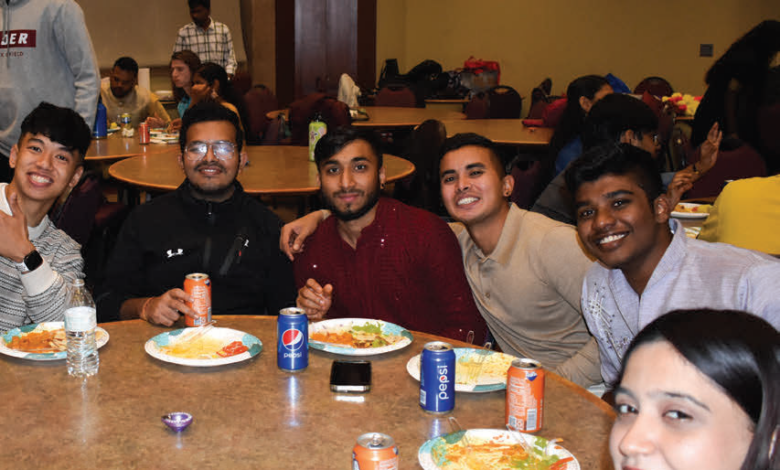
The “starving student” trope is undergoing a massive cultural shift in American higher education. As US universities report record-high burnout rates, a new trend is emerging: the rejection of “convenience culture” in favor of nutritional wellness and authentic global cuisines. Specifically, authentic Indian flavors are becoming the “brain food” of choice for students seeking a competitive edge.
The Crisis of Cognitive Burnout in US Universities
Recent data from the American College Health Association (ACHA) indicates that over 70% of students in the US struggle with academic exhaustion. The traditional “all-nighter” fueled by high-sodium instant noodles is now recognized as a primary cause of cognitive decline.
When the mental load becomes unsustainable, modern students are no longer just “grinding through.” Instead, they are utilizing strategic delegation—often choosing to pay someone to take my class for elective or time-consuming prerequisites—allowing them to focus on core major subjects and essential self-care, such as mindful nutrition.
Why Indian Flavors are Winning the “Brain Food” War
The shift toward Indian cuisine on US campuses isn’t just about taste; it’s about Bio-Hacking.
- Anti-Inflammatory Properties: Curcumin (found in Turmeric) has been linked by Harvard Health to improved memory and attention spans.
- Sustained Energy: Unlike the “sugar crash” of typical American cafeteria food, the complex carbohydrates in lentils (Dal) and chickpeas provide a steady glucose release, essential for long study sessions.
- The “Third Space” Connection: For the 1.2 million international students in the US, authentic food provides a psychological “safe space,” reducing cortisol levels and improving academic resilience.
Statistical Snapshot: The Student Wellness Pivot
| Metric | 2022 Data | 2026 Projection (Estimated) |
| Students Skipping Meals due to Stress | 62% | 45% (Shift to Quality) |
| Growth in Indian Cuisine Interest (Gen Z) | 18% | 35% |
| Average Study Hours per Week (US) | 15-20 Hours | 22 Hours (with Outsourced Support) |
Source: Derived from Chegg Student Surveys & Culinary Trend Reports.
Strategy: Trading Deadlines for Digestion
The modern US student operates like a high-performance athlete. Just as an athlete wouldn’t eat junk food before a game, students are realizing that a 10-page research paper requires high-quality fuel.
By leveraging assignment help services, students are reclaiming 10–15 hours per week. This reclaimed time is being reinvested into “Slow Food” cultures. A meal from MenuFromIndia isn’t just a dinner; it’s a strategic break that prevents the “diminishing returns” of an overworked brain.
People Also Ask
Q1. Why are US students choosing Indian food over fast food?
Students are more health-conscious than previous generations. Indian food offers high protein, fiber, and antioxidant-rich spices like ginger and garlic, which support the immune system during high-stress periods like finals week.
Q2. Can “academic delegation” actually improve my GPA?
Strategic delegation allows students to focus their cognitive energy on their highest-priority courses. By using professional help for secondary tasks, students avoid burnout, leading to higher quality work in their core specialization.
Q3. What are the most popular Indian dishes on US campuses?
Butter Chicken and Chicken Tikka Masala remain favorites, but there is a massive surge in “Vegan Indian” options like Chana Masala and Baingan Bharta as US students move toward plant-based diets for environmental and health reasons.
Q4. Is it common for US students to outsource their coursework?
With the increasing cost of tuition and the need for part-time work, many students use academic support services to manage their time. This allows them to maintain a balance between work, life, and nutrition.