DPSI Menu Complete Guide to Weekly Food Choices
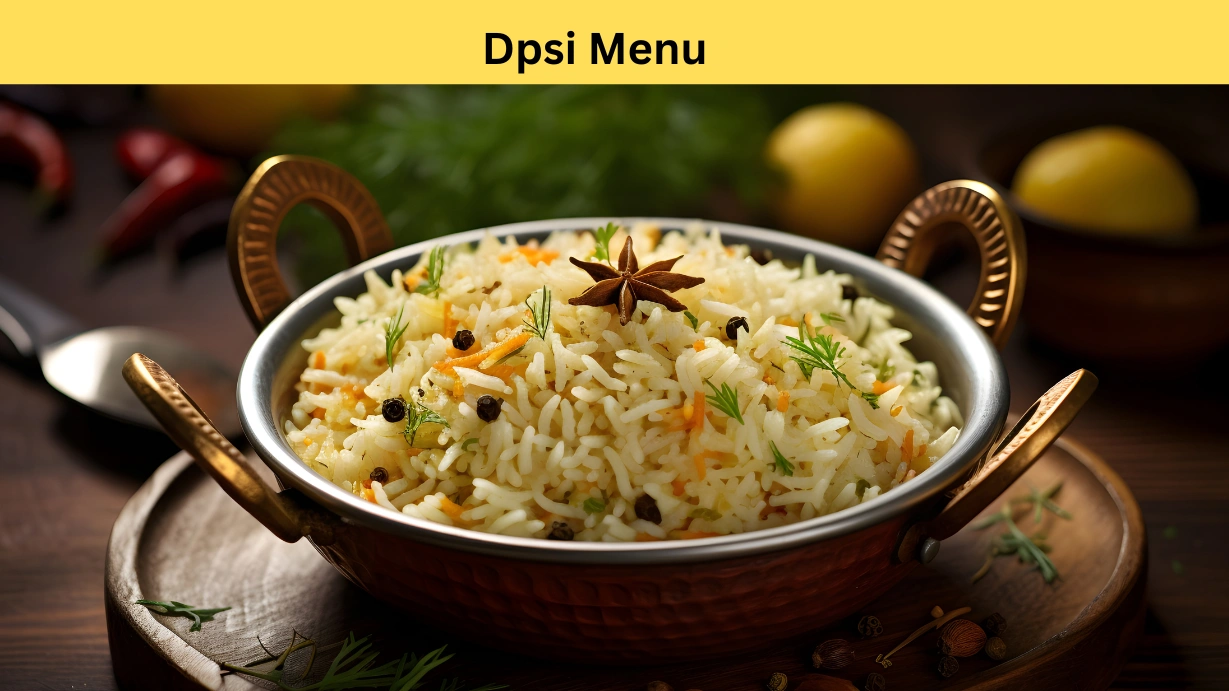
The dpsi menu is a planned school meal schedule linked with DPS International in Delhi. It offers students a mix of Indian meals, snacks, fruits, desserts, and a few Indo-Chinese dishes. The food plan aims to provide variety during the school week without making meals too complicated.
Students can find paneer, dal, rice, chapati, vegetables, rajma, idli, vada, and other familiar foods. Unlike the Thalassa Menu, which focuses on restaurant-style dining, the published DPSI meal schedule rotates dishes across different weeks. This system helps students enjoy different tastes instead of receiving the same lunch every day.
What Is DPSI Menu?
The dpsi menu refers to a planned mid-day meal schedule for students rather than a public restaurant menu. DPS International has published a meal document for its Saket and RK Puram locations. The plan includes complete meals with main dishes, rice, bread, sides, fruits, and desserts.
The selection mainly focuses on vegetarian food that suits a school environment. Meals include Matar Paneer, Dal Makhni, Rajma, Kadi Pakora, Kadai Paneer, and Shahi Paneer. Some days also feature South Indian or Indo-Chinese food to create more variety.
Who Owns DPSI?
DPS International operates within the broader Delhi Public School educational network. The institution functions as a school rather than an independently owned restaurant. Therefore, it would be misleading to name a restaurant owner for its food menu.
The meal program works as a service for enrolled students. School management oversees facilities, while food preparation may involve approved catering arrangements. Parents should contact the school directly when they need current information about meal providers or food-service policies.
DPSI Locations
The published mid-day meal document specifically refers to DPS International Saket and RK Puram in New Delhi. The Saket campus is associated with the Pushp Vihar area of South Delhi. These locations help serve students studying under the DPS International system.
DPS International also has a presence in Gurugram, but meal schedules can differ between campuses. Families should not assume that one campus follows another campus’s exact weekly food plan. Checking the latest school notice remains the safest way to confirm current meals.
| DPSI Location | City | State/UT |
| DPS International Saket | New Delhi | Delhi |
| DPSI RK Puram | New Delhi | Delhi |
| DPS International Gurugram | Gurugram | Haryana |
Opening and Closing Time
DPS International follows school and administrative working hours, not restaurant hours. Timings may change during holidays, examinations, special events, or different academic sessions, so families should confirm the latest schedule with the school.
| Day | Opening Time | Closing Time |
|---|---|---|
| Monday | 9:00 AM | 5:00 PM |
| Tuesday | 9:00 AM | 5:00 PM |
| Wednesday | 9:00 AM | 5:00 PM |
| Thursday | 9:00 AM | 5:00 PM |
| Friday | 9:00 AM | 5:00 PM |
DPSI Meal Plan and Food Variety
The dpsi menu combines familiar Indian dishes with simple sides that students can eat during their school break. Paneer, lentils, vegetables, rice, and chapati form an important part of the meal plan. Raita and salads also appear with several meals.
The rotating schedule gives students a wider choice across different weeks. Some days focus on North Indian combinations, while others introduce South Indian or Indo-Chinese dishes. Desserts, fruits, cookies, or muffins may accompany selected meals.
First and Second Week Menu
The first part of the published meal schedule includes popular home-style dishes. Matar Paneer appears with Mix Dal, while Dal Makhni comes with mixed vegetables. Rajma, Kadi Pakora, Idli, Vada, and Sambar further increase the variety.
Meals often include rice or chapati to make lunch more filling. Raita, salad, fruit, cookies, and sweets add extra choices depending on the day. This combination creates a simple meal structure that children can easily understand.
| Day | Main Food | Rice/Bread | Side | Sweet/Fruit |
| Monday | Matar Paneer, Mix Dal | Steam Rice, Chapati | Raita, Salad | Seasonal Fruit |
| Tuesday | Dal Makhni, Mix Veg | Jeera Rice, Chapati | Raita | Kheer, Cookies |
| Wednesday | Rajma, Aloo Beans | Steam Rice, Chapati | Boondi Raita | Apple |
| Thursday | Kadi Pakora, Jeera Aloo | Steam Rice, Roti | Salad | Choco Muffin |
| Friday | Idli, Vada, Sambar | — | Coconut Chutney | Besan Ladoo |
Third and Fourth Week Menu
The later weeks introduce White Chana, Yellow Dal, Kadai Paneer, Kala Chana, and Shahi Paneer. Green Moong Dal and mixed vegetables also appear in the rotation. These dishes maintain the menu’s strong vegetarian focus.
One of the most different meals features an Indo-Chinese combination. Students may receive Veg Noodles, Manchurian, Veg Fried Rice, and Chilli Paneer. Fruit custard and brownie complete this meal combination in the published schedule.
| Day | Main Food | Rice/Bread | Side | Sweet/Snack |
| Monday | White Chana, Aloo Jeera | Steam Rice, Chapati | Boondi Raita | Gulab Jamun, Muffin |
| Tuesday | Yellow Dal, Kadai Paneer | Steam Rice, Chapati | Raita | Rasgulla, Cookies |
| Wednesday | Kala Chana, Shahi Paneer | Steam Rice, Chapati | Raita | Biscuit |
| Thursday | Mix Veg, Green Moong Dal | Steam Rice, Chapati | Boondi Raita | Cookies |
| Friday | Veg Noodles, Manchurian, Chilli Paneer | Veg Fried Rice | — | Fruit Custard, Brownie |
Paneer Dishes on the Menu
Paneer adds protein and a rich taste to several meals in the dpsi menu. Matar Paneer combines paneer cubes with green peas and gravy. Kadai Paneer offers another flavour, while Shahi Paneer provides a creamy option in the rotating plan.
Chilli Paneer brings an Indo-Chinese taste to the selection. It pairs with noodles, Manchurian, and fried rice on a special meal day. These different paneer recipes help keep the weekly food schedule interesting for students.
| Paneer Dish | Style |
| Matar Paneer | North Indian |
| Kadai Paneer | North Indian |
| Shahi Paneer | Creamy Indian Curry |
| Chilli Paneer | Indo-Chinese |
Dal, Rajma and Chana Choices
Lentils and beans play an important role in the school meal plan. Mix Dal, Dal Makhni, Yellow Dal, Green Moong Dal, Rajma, White Chana, and Kala Chana appear across the schedule. These dishes pair naturally with rice and Indian breads.
Dal and beans also help create satisfying vegetarian lunches. Rajma with rice remains a familiar combination for many children in North India. Chana, dal, vegetables, and paneer together create plenty of variety across the rotating meal cycle.
| Dal and Bean Dish | Common Pairing |
| Mix Dal | Rice and Chapati |
| Dal Makhni | Jeera Rice and Chapati |
| Rajma | Steam Rice |
| White Chana | Rice and Chapati |
| Yellow Dal | Rice and Chapati |
| Kala Chana | Rice and Chapati |
| Green Moong Dal | Rice and Chapati |
What Makes DPSI Food Different?
The rotating structure makes the dpsi menu different from a fixed restaurant list. Students receive different combinations across the month, including paneer, lentils, beans, vegetables, rice, bread, snacks, fruits, and sweets. Regional dishes further improve the variety.
Another useful feature is the combination of familiar and different foods. Rajma Rice and Dal Makhni offer traditional comfort food, while Idli-Sambar introduces South Indian flavours. Noodles and Chilli Paneer add an Indo-Chinese option to the schedule.
Why a Rotating School Menu Helps Students?
A rotating meal plan prevents the lunch schedule from becoming repetitive. Students can experience different vegetables, lentils, paneer recipes, rice dishes, breads, and sides. Regular changes can also make school lunch more interesting.
Planning meals in advance can help a school organize ingredients and food preparation. It also allows families to understand what children may receive during the week. Parents should still check current school information when allergies or dietary needs require special attention.
Is DPSI a Restaurant?
DPSI is not a conventional restaurant, even though people may search online for its menu. DPS International is primarily an educational institution. Its food menu exists to support students during the school day rather than attract public diners.
This distinction matters when searching for prices, opening times, delivery services, or reviews. Restaurant booking, public takeaway, and food delivery information may not exist. School administration remains the best source for current meal-service questions.
Important Things Parents Should Know?
Parents should check the latest meal schedule before relying on an older online document. Schools may change dishes because of seasonal ingredients, catering arrangements, student needs, or administrative decisions. Prices can also change over time.
Families should inform the school about relevant dietary restrictions through the proper school process. Parents can also ask about ingredients when needed. Current information is especially useful when a child follows a specific diet or avoids certain foods.
Customer Reviews
| Customer Name | Rating | Review Comment |
|---|---|---|
| Dharmendra | 4/5 | Shared generally positive feedback but also mentioned concerns about student behaviour. |
| Ishan 5680000 | 5/5 | Described DPSI as a very good school that provides students with many opportunities. |
| Manan Gupta | 5/5 | Shared positive feedback and expressed satisfaction with the school experience. |
| Devraj Sharma | 3/5 | Raised concerns about teacher bias and the way some school periods were handled. |
Conclusion
The dpsi menu provides a varied school meal schedule with Indian, South Indian, and Indo-Chinese choices. Students can find paneer, dal, rajma, chana, vegetables, rice, chapati, noodles, fruits, snacks, and desserts across the rotating plan.
DPSI should be viewed as a school with a student meal program rather than a restaurant chain. Published meal information offers a helpful guide, but schedules and prices can change. Parents should confirm current meals, charges, and timings directly with the school.