
How Does a Tandoori Oven Work?
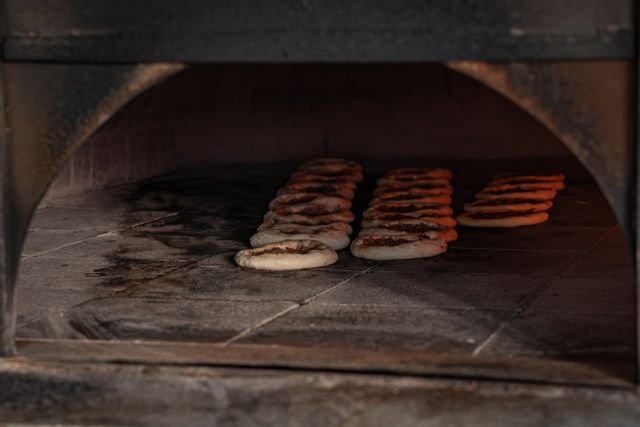
If you’ve ever stood in front of a wall of tandoor ovens trying to figure out which one will actually hold up in a busy kitchen, you know the decision isn’t as simple as picking whatever looks shiniest. A tandoor isn’t just another piece of equipment — it’s the heart of your menu if you’re serving kebabs, naan, tikka, or anything that depends on that deep, smoky char you can’t get any other way.
Ask most people what makes tandoori food taste the way it does, and they’ll say “the spices.” That’s part of it, sure — but the real secret is the oven itself. A tandoor cooks in a way that no conventional oven, grill, or stovetop can replicate, and once you understand what’s actually happening inside that cylindrical chamber, it makes a lot more sense why the flavor and texture are so hard to copy any other way.
If you’ve ever wondered why naan puffs up and blisters the way it does, or why tandoori chicken gets that deep char without drying out, the answer is all in the mechanics of the oven itself. Let’s break down exactly how a tandoor works, from the shape of the chamber to the way heat actually moves through it.
Also Read: Oven Fresh Chandigarh Menu Delivers Fresh and Flavorful Meals
The Basic Design: A Cylinder Built for Radiant Heat
A tandoor is, at its core, a deep, cylindrical oven — traditionally built from clay, though modern commercial versions are often stainless steel with clay or heat-resistant lining inside. That cylindrical shape isn’t just tradition for tradition’s sake; it’s functional. The curved walls trap and reflect heat evenly around whatever’s cooking, rather than heating from just one direction the way a grill or standard oven does.
At the bottom of the chamber sits the heat source — traditionally charcoal or wood, though gas-powered tandoors have become common in commercial kitchens for consistency and convenience. That heat source is what starts the whole cooking process, but the real magic is in how the oven holds and distributes that heat once it’s built up.
Three Ways a Tandoor Cooks at Once
This is the part most people don’t realize: a tandoor isn’t just “hot air cooking food.” It actually cooks through three different methods happening simultaneously, which is exactly why the results are so different from a regular oven or grill.
1. Radiant heat from the walls. Once the tandoor has been fired up for a while, the clay or steel walls themselves get extremely hot and start radiating heat inward, like a furnace. This is what gives tandoori food that deep, even char on the outside.
2. Convection from rising hot air. As the fire burns at the base, hot air rises through the cylindrical chamber. Food placed inside — whether it’s skewered meat hanging vertically or naan slapped against the wall — sits directly in that rising column of heat, cooking quickly and evenly.
3. Direct contact cooking. For bread specifically, the dough is pressed directly onto the hot interior wall of the tandoor, where it cooks almost instantly from direct contact with the scorching clay or steel surface. That direct contact is exactly what creates the blistered, slightly charred spots you see on good naan — something a regular oven simply can’t replicate, since nothing is ever pressed directly against a heat source that hot.
Put those three together — radiant heat, rising convection, and direct contact — and you get food that’s cooked fast, sealed in moisture, and charred on the outside without drying out in the middle. That’s the entire reason tandoori chicken stays juicy while still getting that smoky exterior.
Why Temperature Matters So Much
A properly heated tandoor runs extremely hot — often reaching temperatures well above what a home oven can produce. That extreme heat is essential, because it’s what allows food to cook so quickly that the outside chars before the inside has a chance to dry out. This is why recovery time (how fast the oven gets back to full temperature after the lid’s been opened) is such a big deal for anyone running a commercial kitchen — if the tandoor can’t hold or regain that heat quickly, you lose the exact effect that makes tandoori cooking special in the first place.
This is also why fuel type matters. A coal-fired tandoor takes longer to heat up initially but holds heat exceptionally well once it’s going, giving that traditional smoky depth. A gas-powered tandoor heats up faster and is easier to regulate consistently, which is part of why many restaurants have shifted toward gas for busy service — predictability matters when you’ve got a dining room full of tickets.
How Airflow Ties It All Together
None of this works without proper airflow. The vents at the base of a tandoor control how much oxygen reaches the fire, which directly affects how hot the chamber gets and how evenly that heat distributes. Too little airflow, and the fire struggles to reach the temperatures needed for that signature char. Too much, and you can lose control of the heat entirely.
This is one of the most overlooked parts of tandoor design — a well-built unit is engineered so airflow, insulation, and heat retention all work together, rather than fighting each other. It’s part of why cheaply made tandoors underperform even when they’re technically the same size and shape as a well-built one: the engineering underneath the surface is what actually determines how well it cooks.
Traditional Clay vs. Modern Steel Tandoors
The mechanics we’ve covered so far apply to both traditional clay tandoors and modern stainless-steel ones, but the materials themselves change the experience in a few practical ways.
Clay has been used for centuries because it holds and radiates heat in a way that many cooks feel adds a subtle earthiness to the flavor. The tradeoff is that clay is more fragile — it can crack under repeated extreme heat cycles or rough handling, and it’s harder to move or install in a commercial setting.
Stainless-steel tandoors, often built with a heat-resistant clay or refractory lining inside a steel shell, solve a lot of those durability issues. They hold up better to daily commercial use, they’re easier to clean, and they’re far less likely to crack or need repairs after months of nightly service. For a busy restaurant, that durability usually outweighs any small difference in flavor — especially when the interior lining is still doing the same radiant-heat job a full clay oven would.
Home cooks setting up a tandoor for occasional weekend use might lean toward a smaller clay or hybrid unit for the traditional feel, while anyone cooking daily — at home or commercially — tends to get more long-term value out of a well-insulated steel build.
Why This Matters If You’re Buying One
Understanding how a tandoor actually works makes it a lot easier to evaluate one before you buy it. A unit with poor insulation won’t hold radiant heat well. A poorly designed vent system will struggle with consistent airflow. And an interior lining that isn’t built for extreme, repeated heat cycles will degrade fast, taking the whole cooking process down with it.
Whether you’re setting one up at home or running a full commercial kitchen, the same core mechanics apply — it’s just a matter of scale and how much consistency you need shift after shift. If you’re exploring options, it’s worth browsing a proper tandoori oven lineup to compare builds side by side rather than guessing from a single product photo.
For anyone specifically looking to bring that traditional cooking style into their own kitchen, a dedicated home tandoor oven collection makes it easy to find a size and fuel type that fits your space without the guesswork.
Frequently Asked Questions
Why does tandoori food taste different from grilled or oven-baked food?
It comes down to the combination of extremely high heat, radiant cooking from the chamber walls, and rising convection all happening at once. That combination chars the outside quickly while sealing in moisture, which regular grilling or baking can’t fully replicate.
How hot does a tandoor actually get?
A well-fired tandoor typically reaches temperatures well above what a standard home oven can produce, often in the range that allows meat and bread to cook in just a few minutes rather than the longer cook times needed at lower temperatures.
Can you cook more than just bread and kebabs in a tandoor?
Yes. While naan and skewered meats are the most common, tandoors are also used for roasted vegetables, whole chicken, and even some rice dishes, thanks to the intense, even heat inside the chamber.
Is a clay tandoor better than a steel one?
Traditional clay retains heat differently and is often credited with a slightly different flavor profile, but modern stainless-steel tandoors with proper insulation and lining can perform just as well — and they tend to be more durable and easier to maintain, especially in a commercial setting.
Why does naan stick to the inside wall of a tandoor?
The dough is pressed onto the hot interior wall while it’s still slightly tacky, and the intense heat causes it to set and cook almost instantly, which is what allows it to stay stuck to the wall until it’s fully cooked and ready to be lifted off.
Where can I buy a tandoor oven?
Tandoormorni is a good place to start if you’re looking for a properly built tandoor, whether you need something sized for home use or a full commercial unit for a restaurant kitchen.